Scroll Down
Scroll Down
Scroll Down
Strategic Narrative Designer
Content Architect
Creative Director
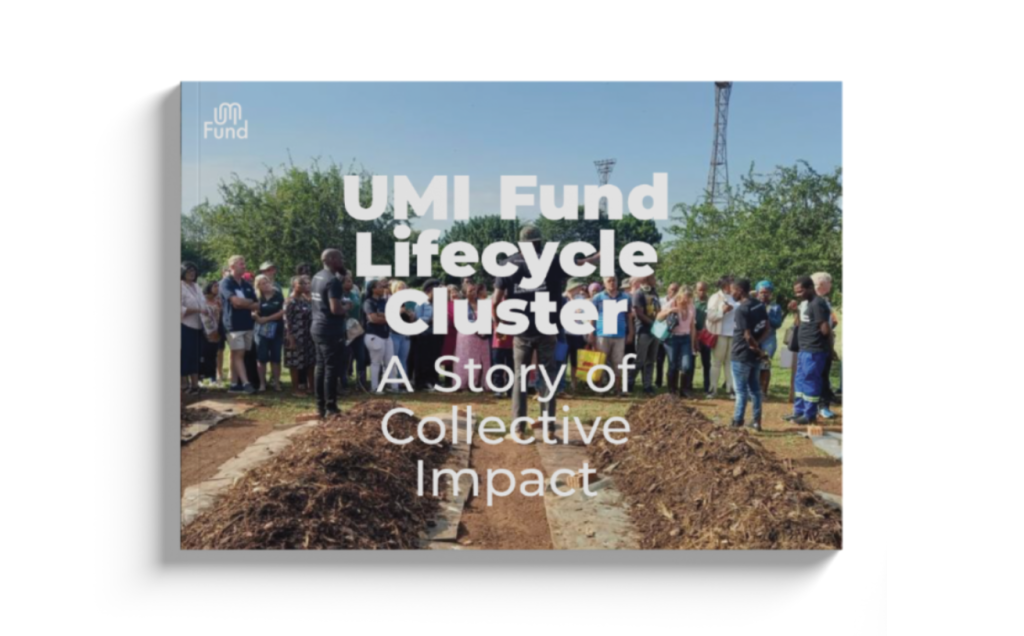
UMI Fund is a donor’s collaborative founded by international philanthropies that supports, incubates and accelerates strategic elements of the climate movement, through cooperation with partners for disruptive, scalable, greenhouse gas mitigation.
The Challenge: Turning an Initial Draft into a Story of Collective Impact
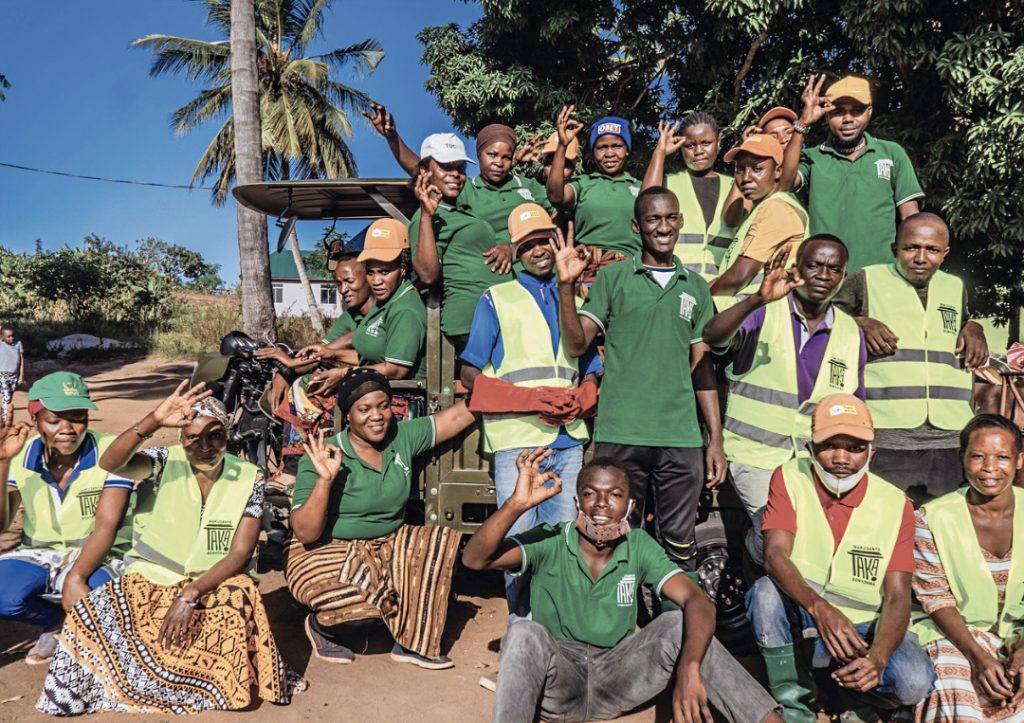
I was presented with a general copy of the document—an essential outline with the key information laid out but still needing refinement. The challenge? Transforming that content into a compelling, narrative-driven report that effectively conveyed the collective impact of GAIA, its grantees, and UMI’s support, without overwhelming the reader with raw data.
The goal was clear: this report would be shared at the UMI Fund board meeting in December to highlight GAIA’s achievements, how they align with initial goals, and the collective success of zero waste communities across the globe. But we were working with a timeline that didn’t allow for gathering extensive additional data, so the focus shifted toward telling a story that communicated impact in a visually engaging and digestible format.
Step 1: Starting with the General Copy
I received a rough draft containing all the key data and essential elements. It provided a basic structure, but it was lacking of cohesiveness in a story telling sense. The document needed:
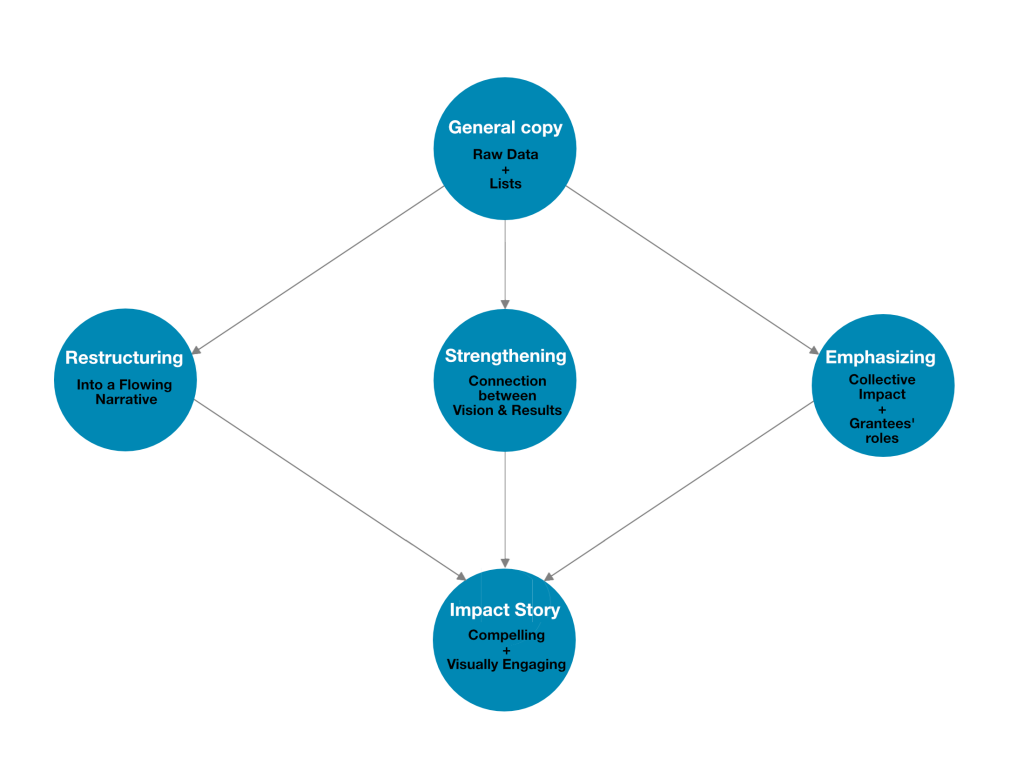
1. Restructuring to flow as a narrative, not just a report.
2. A clearer connection between the initial vision for the Lifecycle Cluster and the actual achievements.
3. A focus on collective impact—showing how different grantees (the zero waste communities) were part of the larger picture.
Step 2: Research & Refining the Narrative
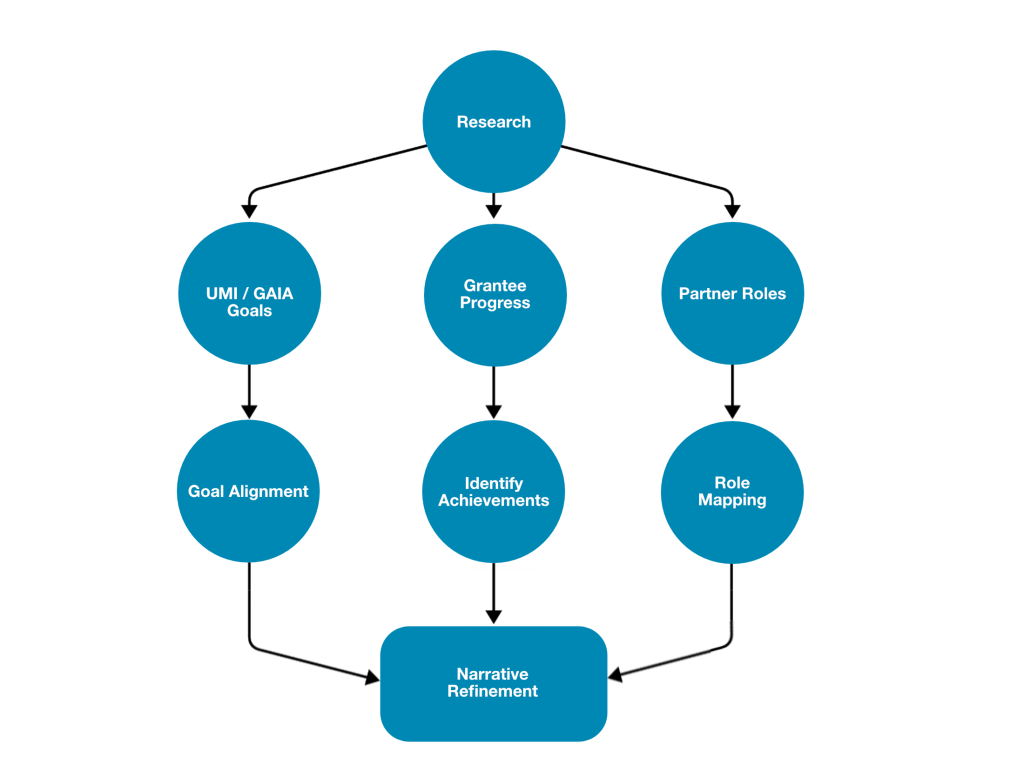
With the initial copy in hand, I dove into researching the topic—understanding not only the goals of UMI and GAIA but also the progress and efforts of the grantees involved in the zero waste initiative. I wanted to understand:
- What had been accomplished so far?
- How did these accomplishments align with the original vision?
- What role did GAIA’s partners play in the process?
This research helped to fill in the gaps, and I gathered insights to weave the facts into a story that reflected the larger, ongoing mission—transforming abstract goals into tangible outcomes.
Step 3: Restructuring into a Storytelling Format
I took the key content and restructured it to flow as a clear, engaging narrative. Rather than just reporting on numbers and activities, the document now unfolded as a journey, beginning with the vision of the Lifecycle Cluster and progressing to the present-day impact. Here’s how I organized it:
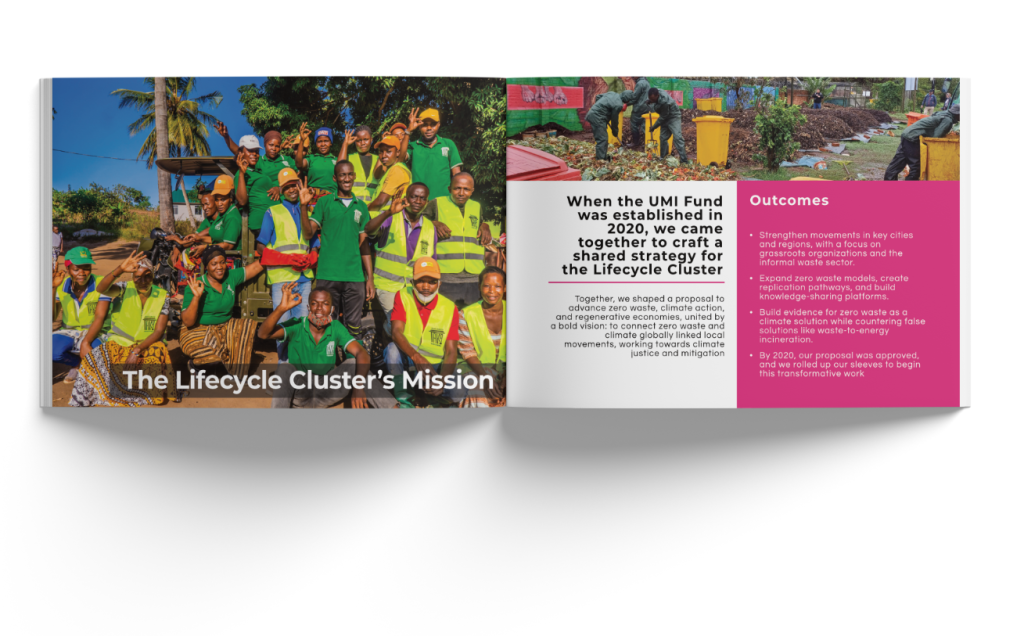
- 2020: Co-Creating a Vision – Establishing the mission and initial goals.
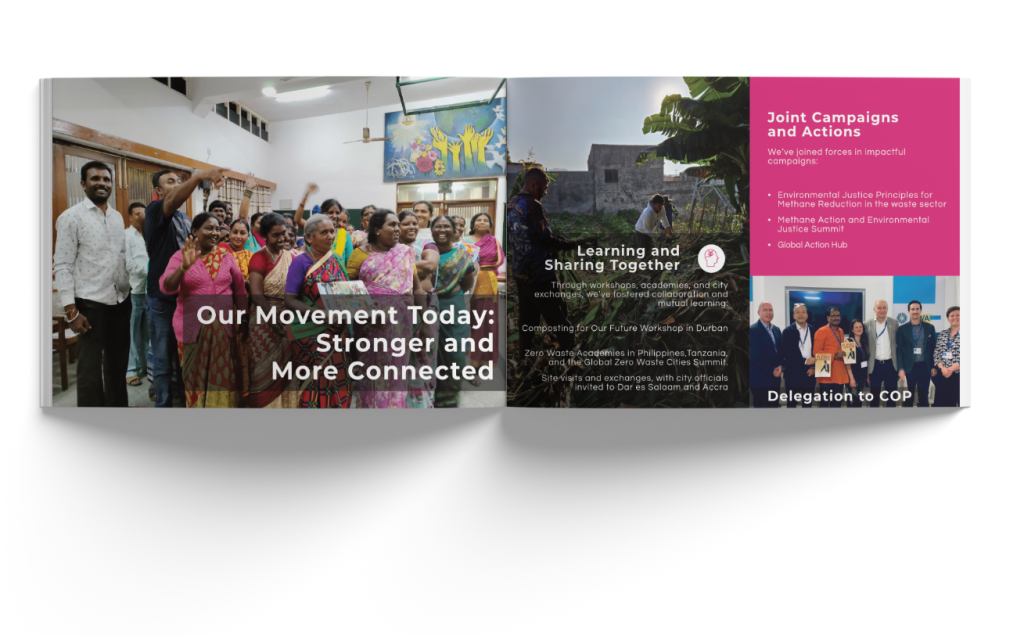
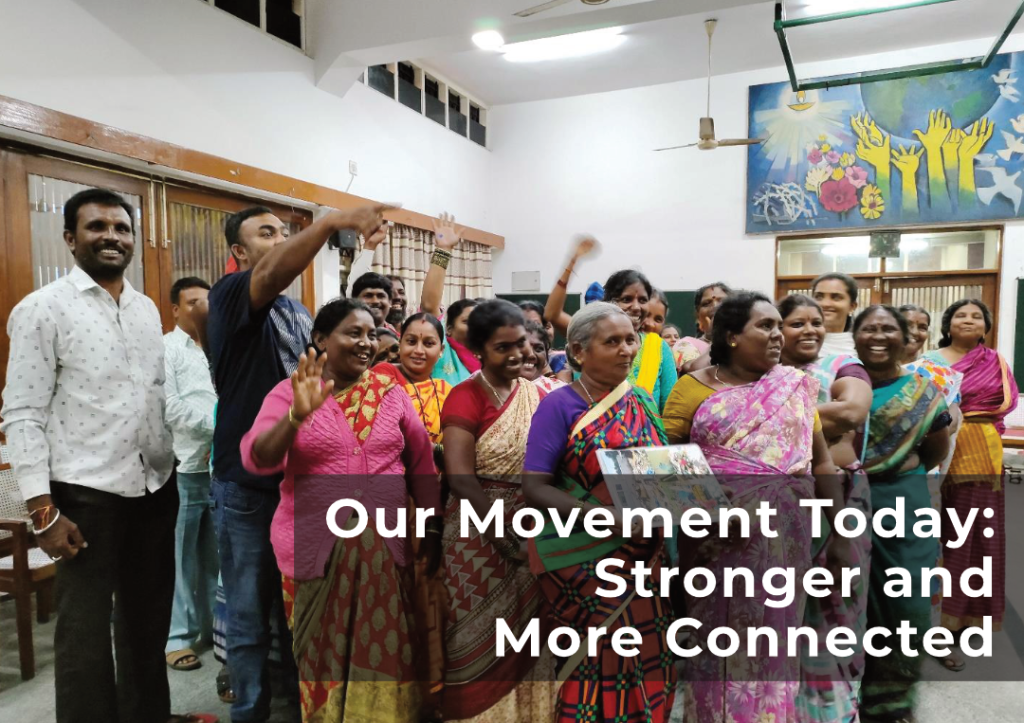
- Our Movement Today – Showcasing the real, ongoing progress with success stories and collaborations.
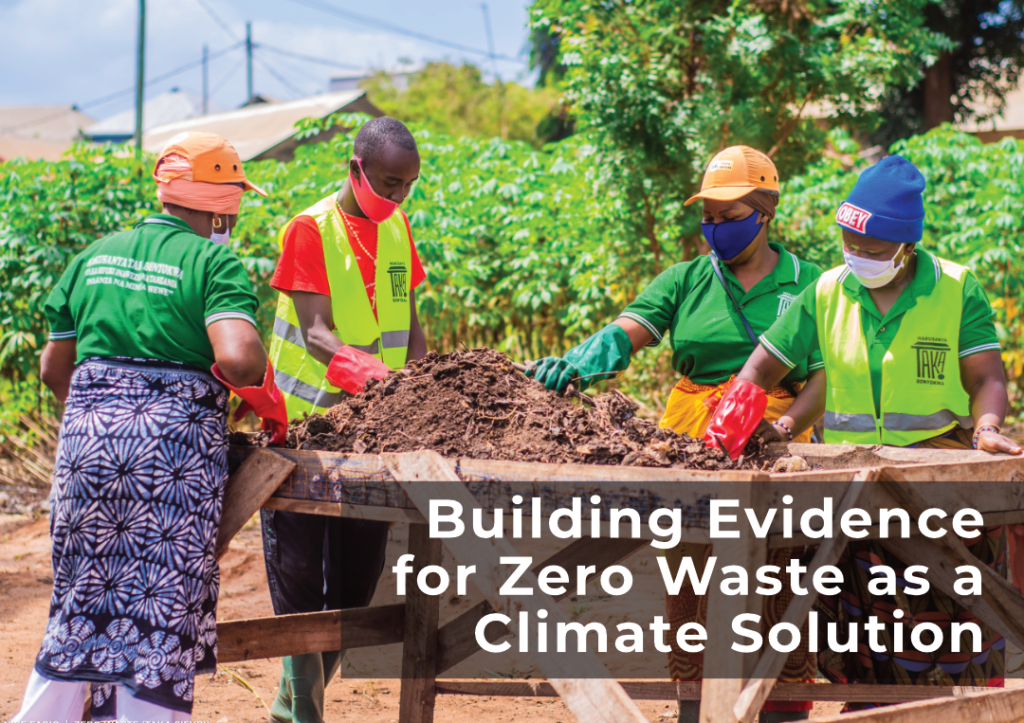
- Building Evidence for Zero Waste as a Climate Solution – Solidifying the case for zero waste as a viable solution.
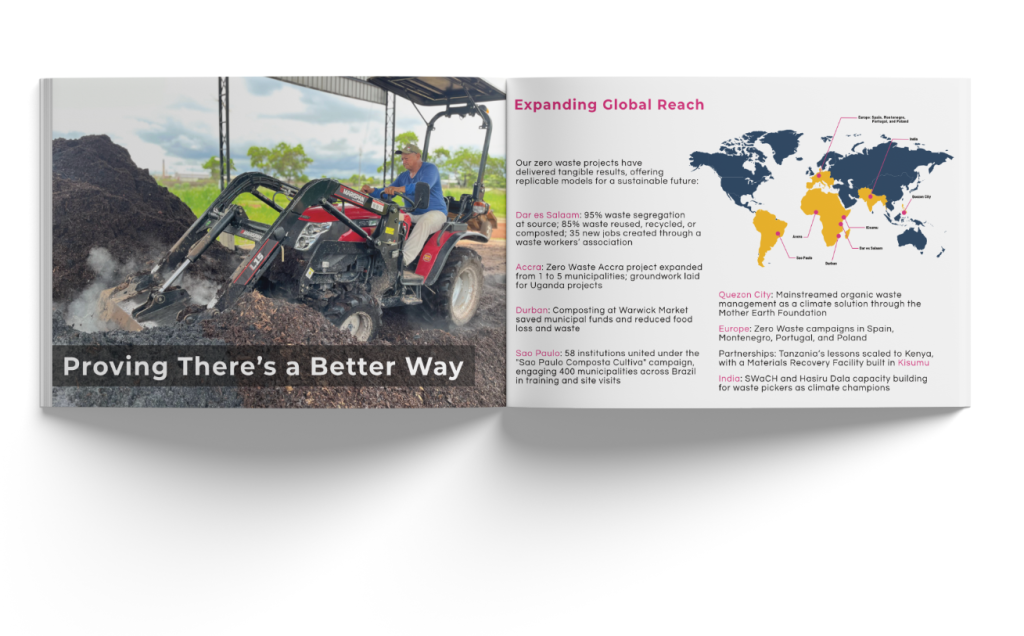
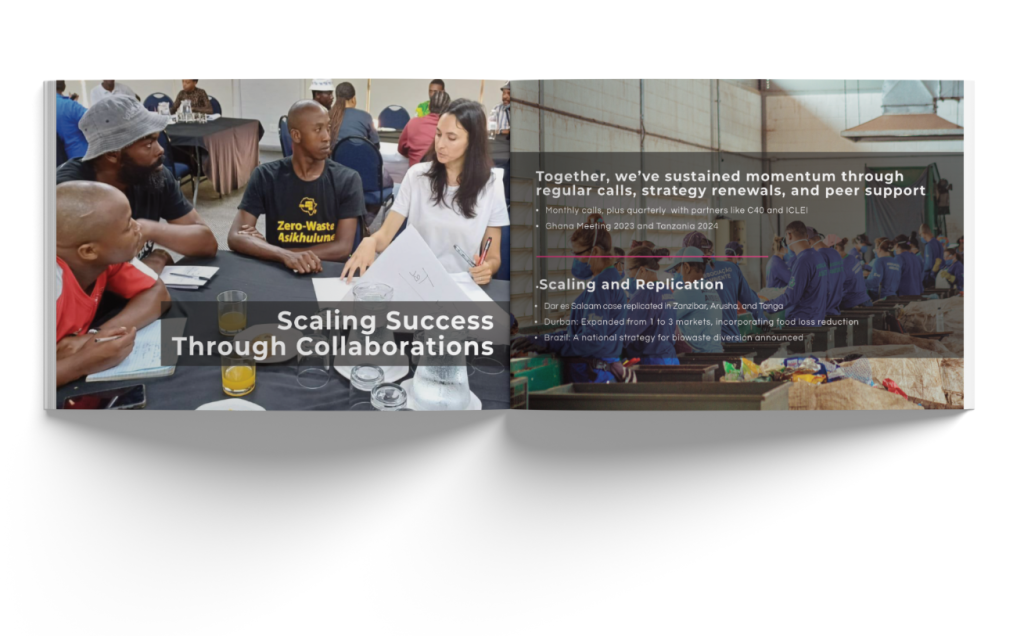
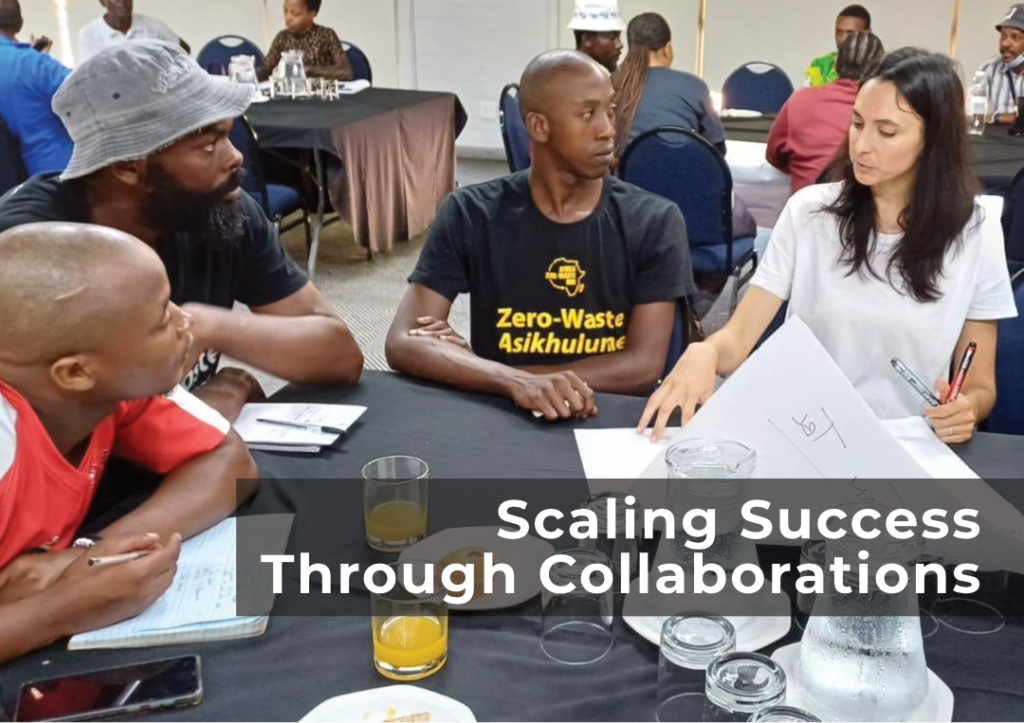
- Scaling Success Through Collaboration – Highlighting partnerships and expansion of models.
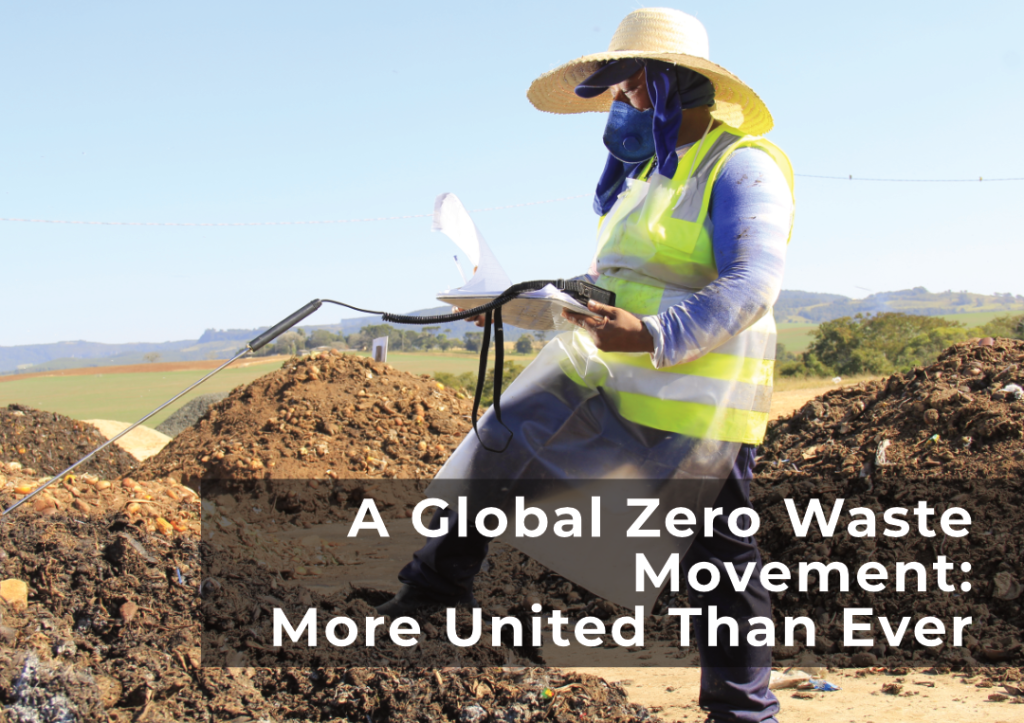
- A Global Zero Waste Movement: More United Than Ever – Demonstrating the broader, growing reach.
- Next Steps – Keeping momentum going and setting the stage for future work.
This new structure allowed the report to read like a story of transformation, not just a list of activities or metrics.
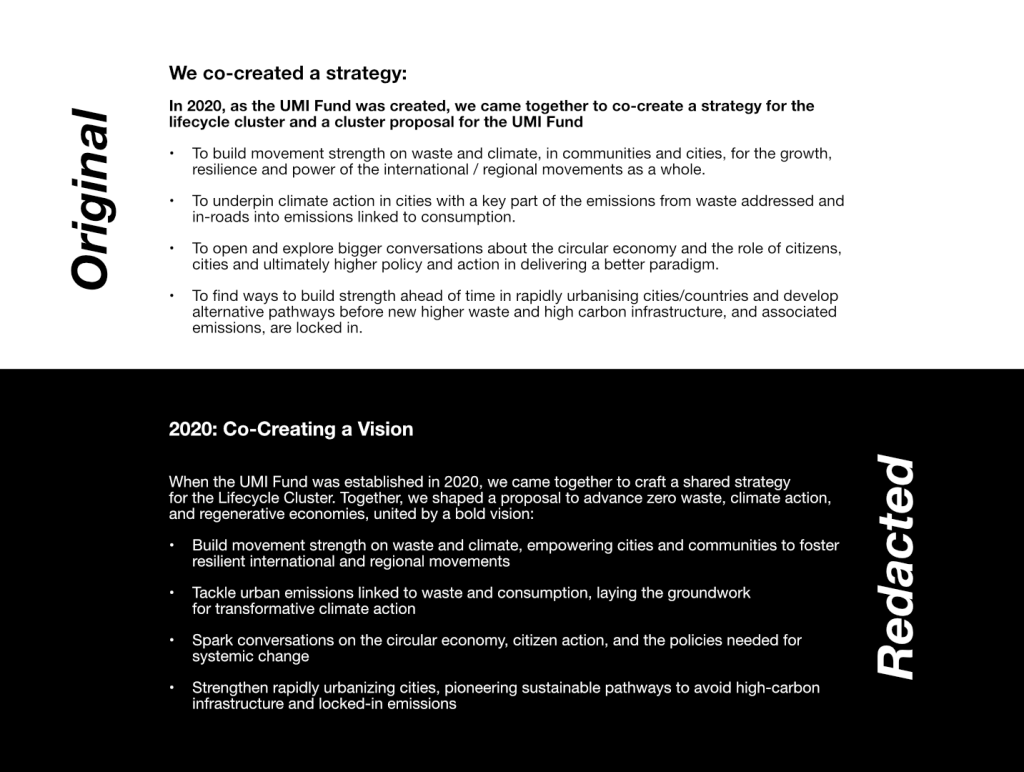
Step 4: Crafting Language to Match the Message
The tone had to be engaging yet professional, so I adjusted the language to:
🟢 Highlight collective impact – Focusing on “we” rather than individual achievements, emphasizing collaboration.
🟢 Be action-oriented – Using phrases like “We rolled up our sleeves” and “Scaling success through collaboration” to keep the narrative dynamic.
🟢 Keep it accessible – While still showcasing impressive accomplishments, I avoided jargon-heavy language, ensuring that the report would be easy to digest for a diverse audience, including board members.
Step 5: Visuals That Amplify the Story
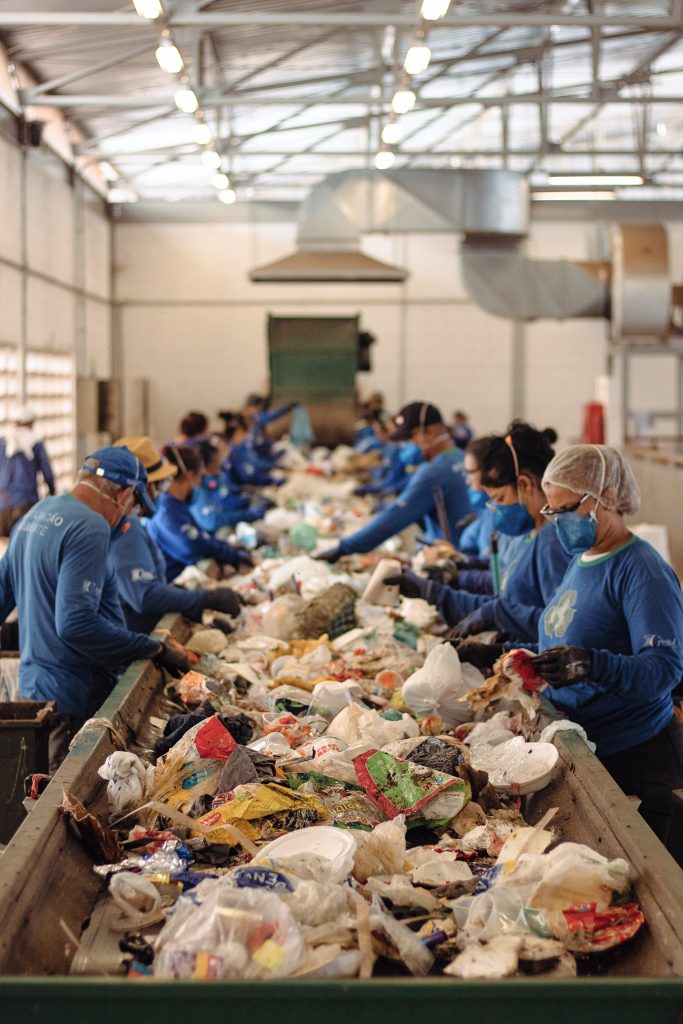
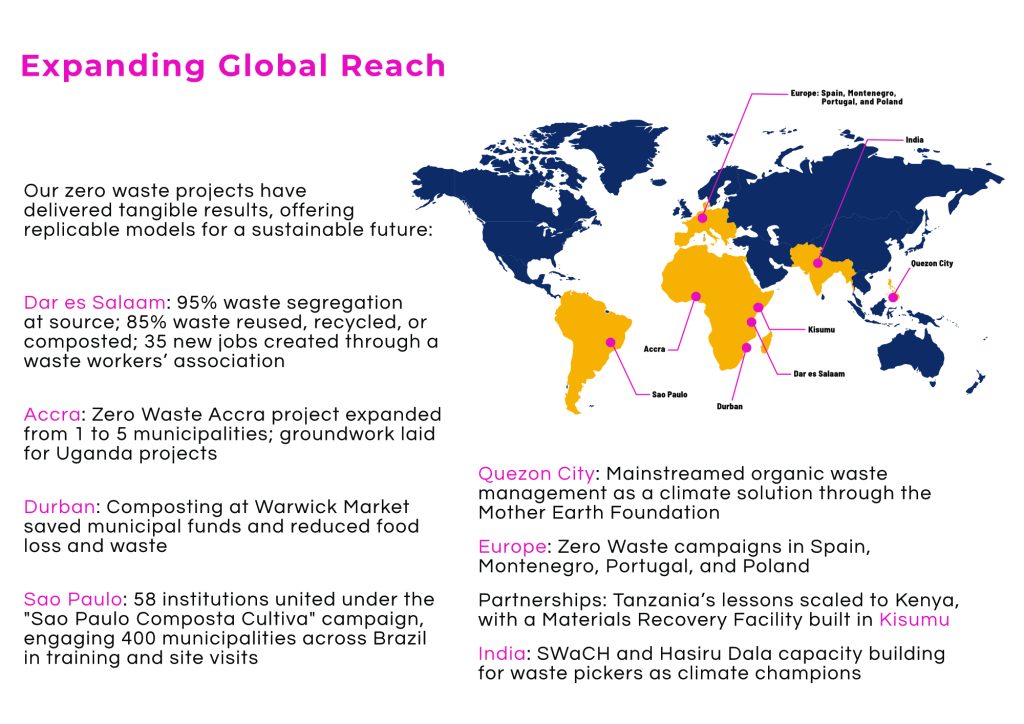
I sourced and formatted photos and visual content to help bring the story to life:
- Images of communities in action – From composting workshops in Durban to waste worker empowerment in India.
- Collaborative efforts – Showcasing cross-country campaigns and partnerships that reflect the collective nature of the work
- Impactful infographics and case studies – These presented outcomes like job creation and waste diversion rates without overwhelming the reader with data

Step 6: Formatting for Readability and Impact
With all content in place, I ensured the final document was:
✅ Visually engaging – A clean design with well-spaced text, highlighting key points and integrating images seamlessly.
✅ Easy to navigate – Using bold headings, bullet points, and key stats that allowed board members to quickly absorb the most important information.
✅ Future-ready – Structured in a way that could incorporate additional data (such as MoUs signed, jobs created, etc.) once that information was available.
The Outcome?
The final report was not just a factual update—it was a narrative of collective impact. By weaving together GAIA’s mission, the achievements of its grantees, and the ongoing efforts supported by UMI, the report clearly communicated the power of collaboration and the tangible progress that’s been made.
It’s a document that not only shows what’s been accomplished but inspires continued action—proving that zero waste is not just an environmental strategy, but a pathway to a sustainable, just future.